
By Rittal on Mar 23, 2026, 1:58:41 AM
Electrical infrastructure is designed to withstand demanding operating environments — but seismic activity introduces a unique set of risks that can affect both structural integrity and system reliability.
In regions where earthquakes occur, even moderate seismic events can place significant stress on switchgear systems, data centre infrastructure, and industrial control equipment. Vibrations generated during earthquakes typically occur in a frequency range between 0.3 Hz and 50 Hz, placing mechanical and electrical components under complex dynamic loads.
Without appropriate protection, these forces can lead to equipment displacement, damaged components, loose electrical connections, or even complete system failure.
The Hidden Risk to Technical Infrastructure
When discussing earthquake damage, the focus is often on buildings and structural engineering. However, electrical and IT infrastructure inside those buildings is equally vulnerable.
If enclosure systems fail during seismic activity, critical systems such as power distribution, telecommunications, or control systems can be disrupted at the very moment they are most needed.
This makes earthquake-resistant enclosure design an important consideration for industries including:
- Energy and utilities
- Data centres and telecommunications
- Industrial manufacturing
- Transport and infrastructure
Designing Enclosures for Seismic Environments
Ensuring resilience in seismic environments requires more than simply strengthening enclosure structures. Engineers must also consider mounting conditions, equipment weight distribution, anchoring systems, and compliance with recognised testing standards.
Seismic testing typically involves vibration table simulations that replicate earthquake conditions, ensuring that enclosures can withstand the stresses without structural damage or system failure.
Standards such as IEC 60068-3-3, IEEE 693, and Telcordia GR-63-CORE provide guidance on how electrical equipment should be designed and tested for earthquake resistance.
Learn How VX25 Enclosures Meet Seismic Standards
Rittal’s VX25 enclosure system has been engineered and tested to meet demanding seismic requirements, helping protect critical electrical infrastructure in earthquake-prone regions.
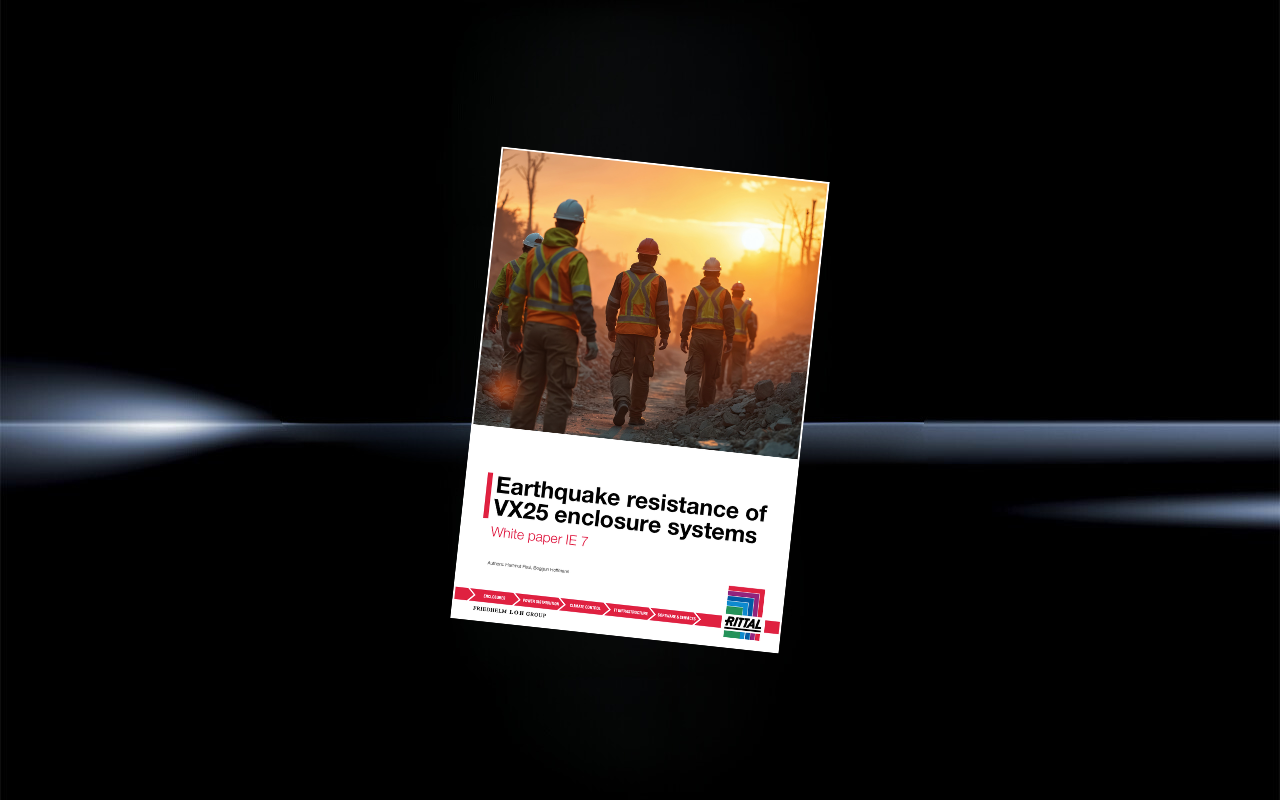
To better understand the standards, testing processes, and engineering principles behind earthquake-resistant enclosure systems, Rittal has developed a comprehensive technical white paper.
Download the white paper to learn more about earthquake resistance for enclosure systems and how VX25 supports infrastructure resilience.
Download the white paper:
https://www.rittal.com/au-en/au/LandingPages/Earthquake-resistance-of-VX25-enclosure-systems